Key takeaways
The 1940 nm wavelength is attracting interest in endovenous laser treatment (EVLT) because of its strong absorption by water. This supports localized energy deposition and treatment at relatively low power. Clinical studies have reported high vein closure rates and favorable recovery outcomes, although results depend on the device, fiber, treatment protocol, and patient selection.
GK Semiconductor provides proprietary laser chips, fiber-coupled modules, and complete system development support to help medical device manufacturers develop 1940 nm EVLT platforms.
1. Three potential clinical benefits
Localized energy delivery
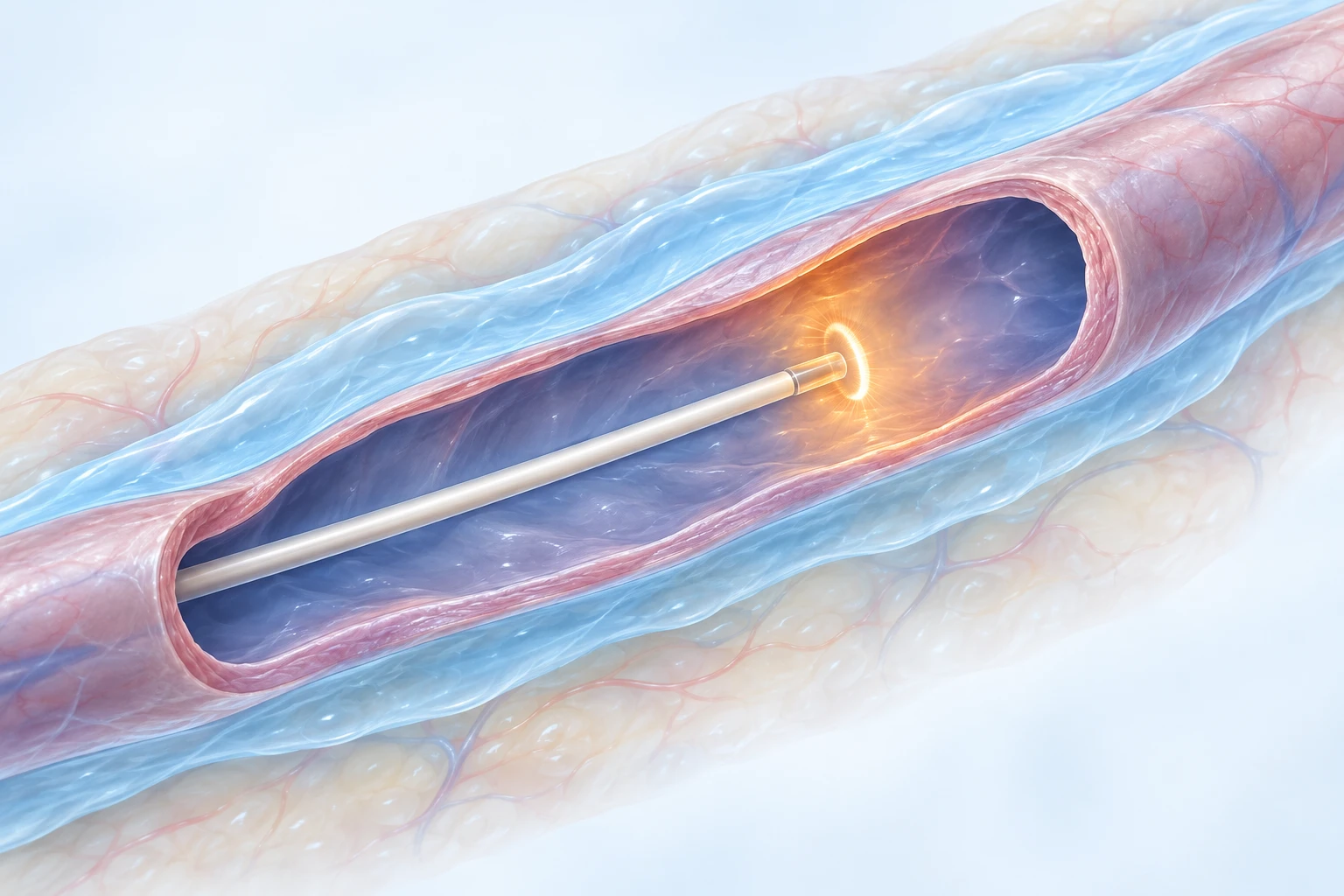
Strong water absorption at 1940 nm concentrates optical energy near the absorbing tissue. This can support controlled treatment of the vein wall at lower energy settings. Optical penetration depth should not be equated with the full extent of thermal injury, which also depends on heat conduction, exposure time, and treatment technique.
Patient comfort and outpatient recovery
Low-power 1940 nm treatment protocols have shown promising results for postoperative comfort. EVLT is generally performed as a minimally invasive outpatient procedure. Recovery, compression therapy, and follow-up should be tailored to the procedure and the individual patient.
Precise treatment planning
A shallow optical absorption profile can help clinicians plan localized energy delivery. Treatment near the skin or nerves still requires careful ultrasound assessment and appropriate protective measures. Evidence from saphenous vein treatment should not be extrapolated to facial capillaries, skin tightening, or other cosmetic indications without separate clinical validation.
2. Product options for OEMs and system integrators
GK Semiconductor offers several integration levels for medical device manufacturers.
| Product | Key specifications | Features and integration |
|---|---|---|
| Proprietary 1940 nm laser chips | Emission wavelength: 1940 ± 5 nm; single-emitter and laser-bar power options | In-house chip technology for manufacturers with laser packaging capabilities. |
| Fiber-coupled laser modules | Stable output: 5–6 W; coupling efficiency: >90% | Compact parallel seam-welded package, precision temperature control, and real-time optical power monitoring; designed for subsystem integration. |
| EVLT treatment system development | Treatment output: 4–6 W; continuous-wave and pulsed modes | Touchscreen, footswitch control, and multiple safety interlocks; intended for system development and clinical collaboration. |
3. Questions from clinicians and equipment buyers
Does an output of 4–6 W affect speed or closure rates
Lower optical power does not automatically mean less effective treatment. Energy absorption, fiber design, withdrawal speed, vein diameter, and energy delivered per unit length all influence the result. Power alone cannot establish treatment speed or predict closure rates.
Does a 1940 nm system require a different workflow
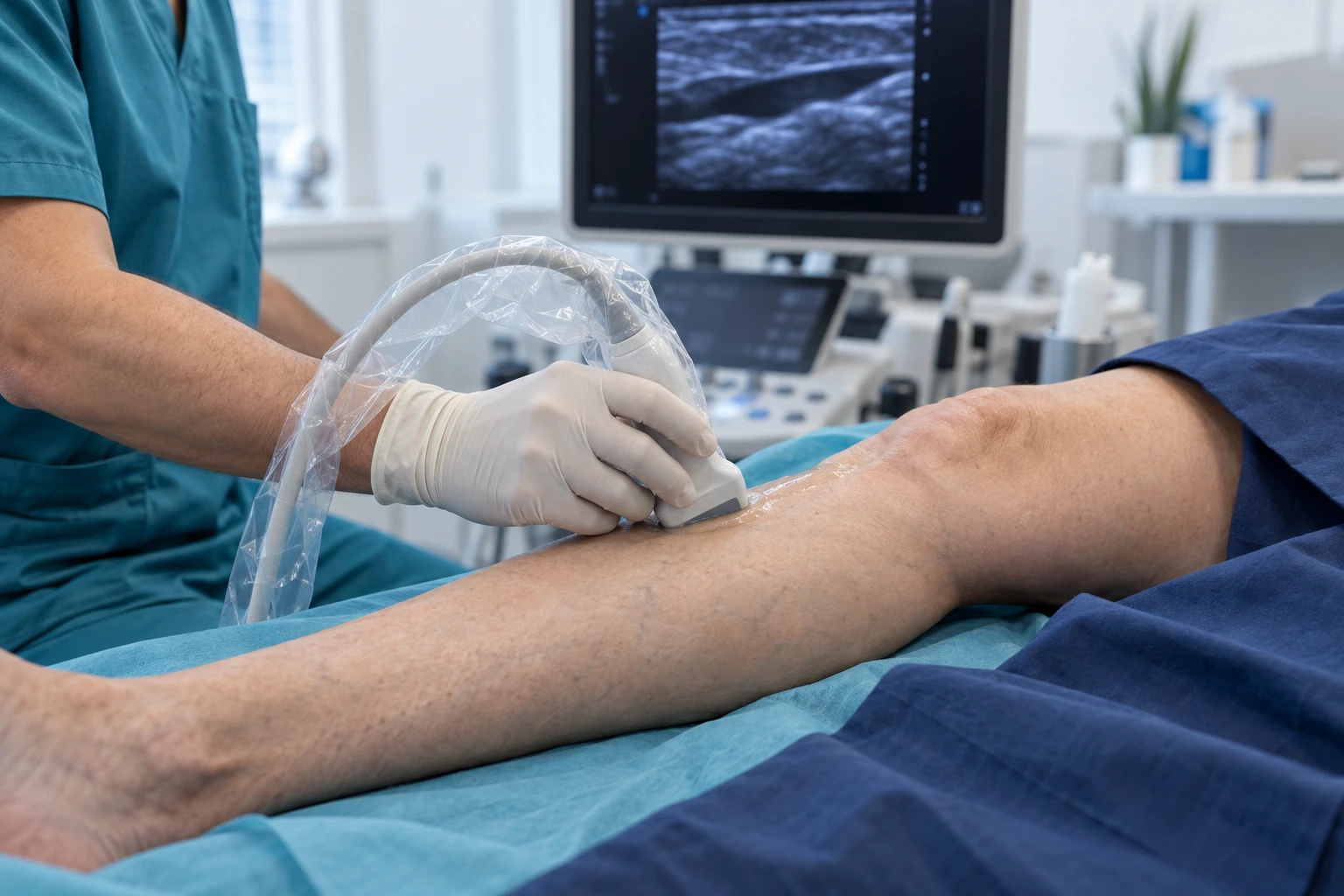
The broad EVLT workflow remains familiar: ultrasound-guided access, fiber positioning, appropriate tumescent anesthesia, and controlled fiber withdrawal. Clinicians must use device-specific instructions and validated treatment parameters. Switching wavelengths should not be treated as simply reducing the power setting.
How can an in-house module support development costs
GK Semiconductor combines chip development, manufacturing, and module integration to support cost-effective system design. Actual savings depend on the configuration, procurement volume, qualification requirements, and comparison product.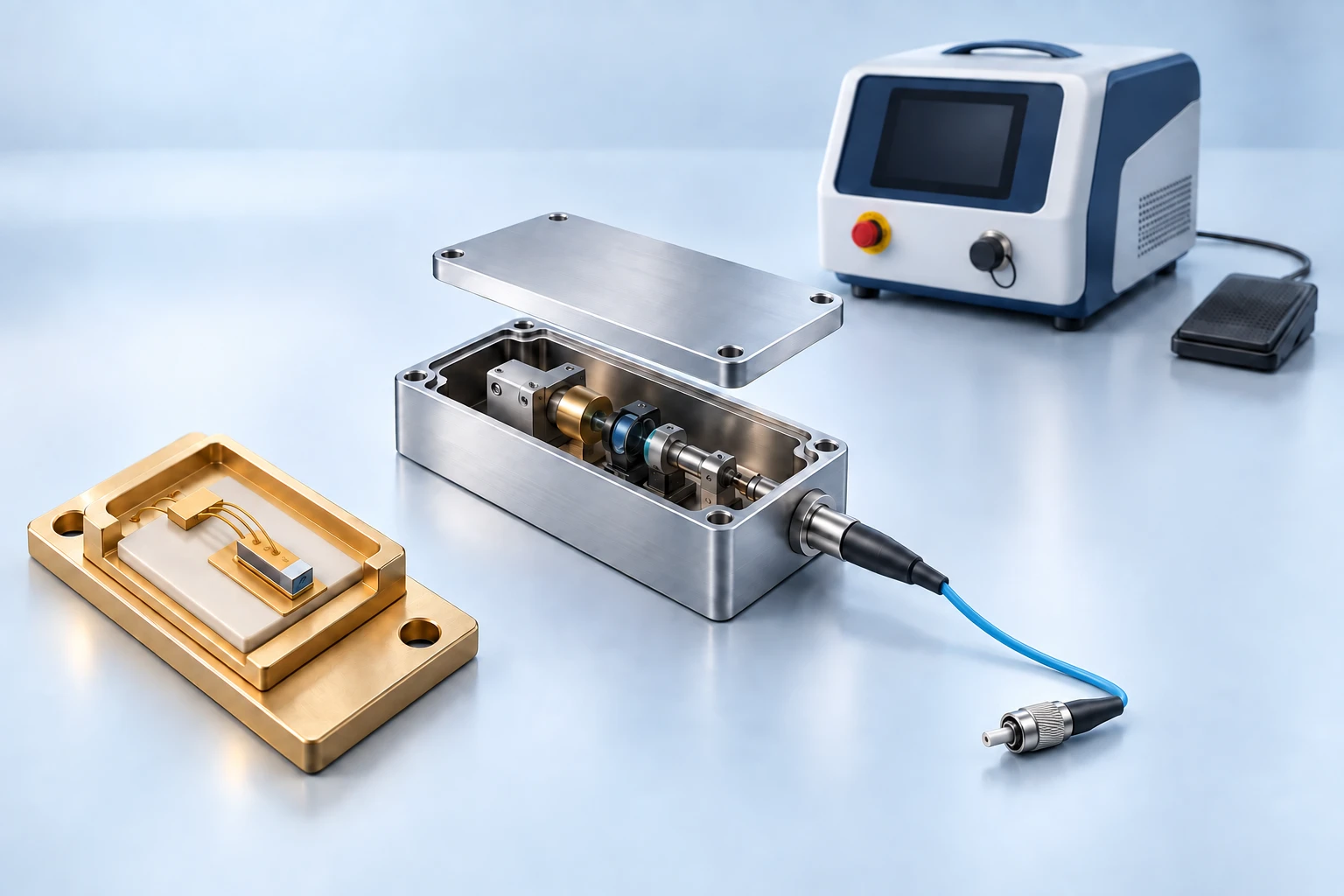
4. Clinical and industry collaboration
From compound semiconductor chip design to precision fiber-coupled packaging and next-generation EVLT system development, GK Semiconductor is expanding its capabilities in core components for medical laser equipment.
The 1940 nm fiber-coupled module is available for customer sampling and evaluation. GK Semiconductor welcomes collaboration with medical device manufacturers on system integration and clinical evaluation.