NEWSROOM

News, insights and updates.

Company developments, technology explainers, event updates and engineering perspectives from GK Semiconductor.

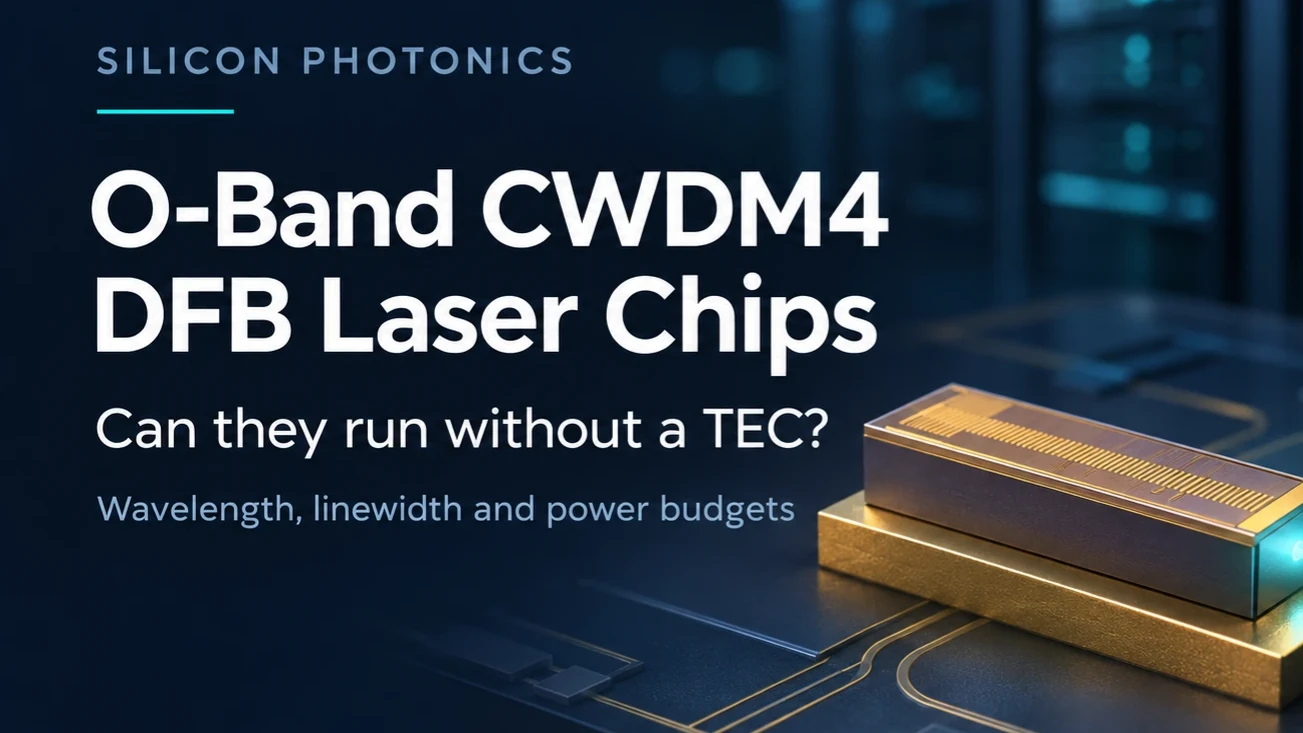
O-Band CWDM4 DFB Laser Chips: Can They Run Without a TEC?

GK Semiconductor's 70/100 mW O-band CWDM4 CW DFB chip (GKCP-1XXX-100M-CW-00, 1271–1331 nm) targets 800G/1.6T optics and external silicon photonics sources. With a ±6.5 nm 25 °C bin, uncooled operation fails over −5 to +85 °C, but works over 25 to 75 °C if binned within 8.5 nm. Section 6 gives the derivation, and the three budgets below outline the math and decision criteria.

Read the story
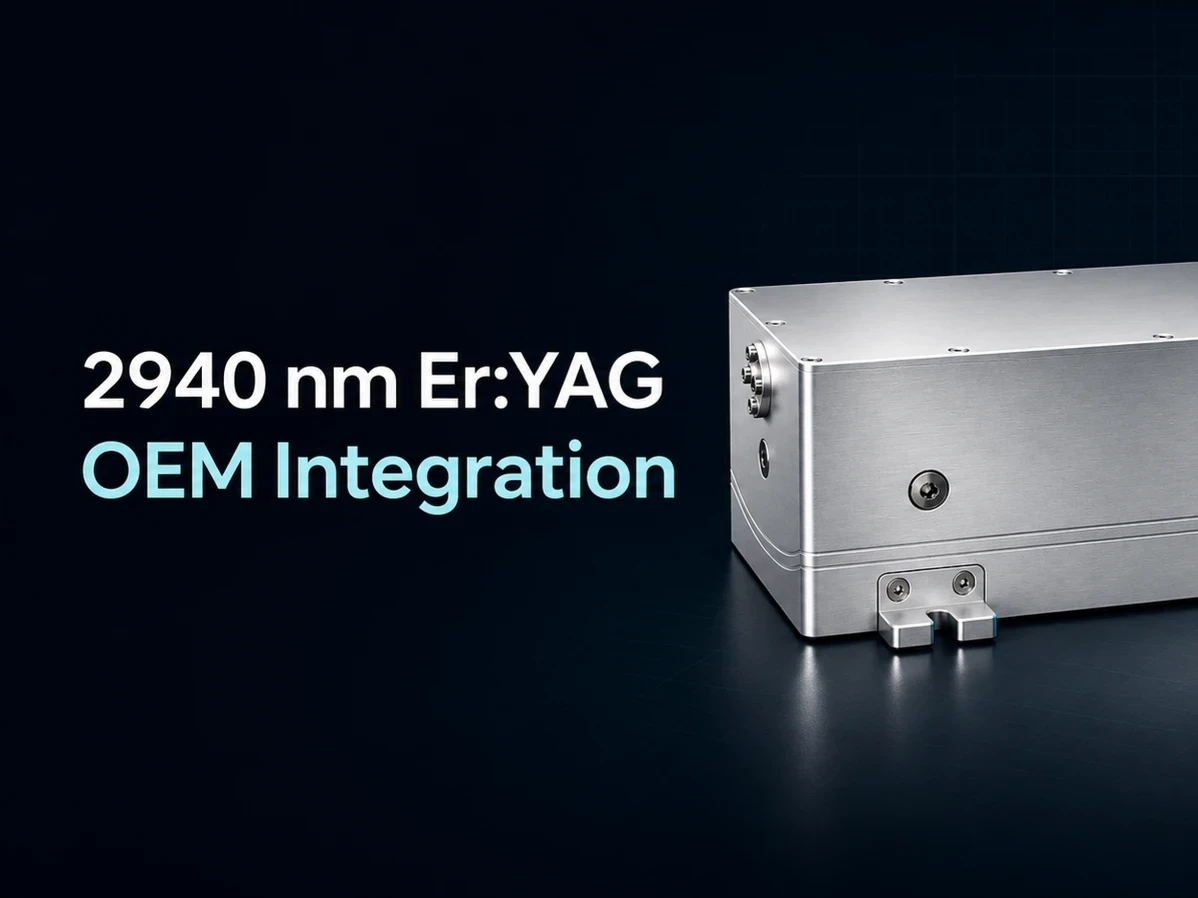
2940 nm Er:YAG for OEM Systems: Pulse Energy, Delivery, Thermal Budget, and Safety
Technology Explained

2940 nm Er:YAG for OEM Systems: Pulse Energy, Delivery, Thermal Budget, and Safety

The 2940-200mJ is a modular, lamp-pumped Er:YAG source delivering 200 mJ pulses at up to 10 W average power with an external chiller and delivery optics. System integration is governed by key physical constraints, including a ~1 µm tissue penetration depth, a 50 Hz repetition rate ceiling at full energy, and the requirement for non-silica beam delivery. Furthermore, its high-power emission mandates early mechanical integration of Class 4 safety housing and interlocks.

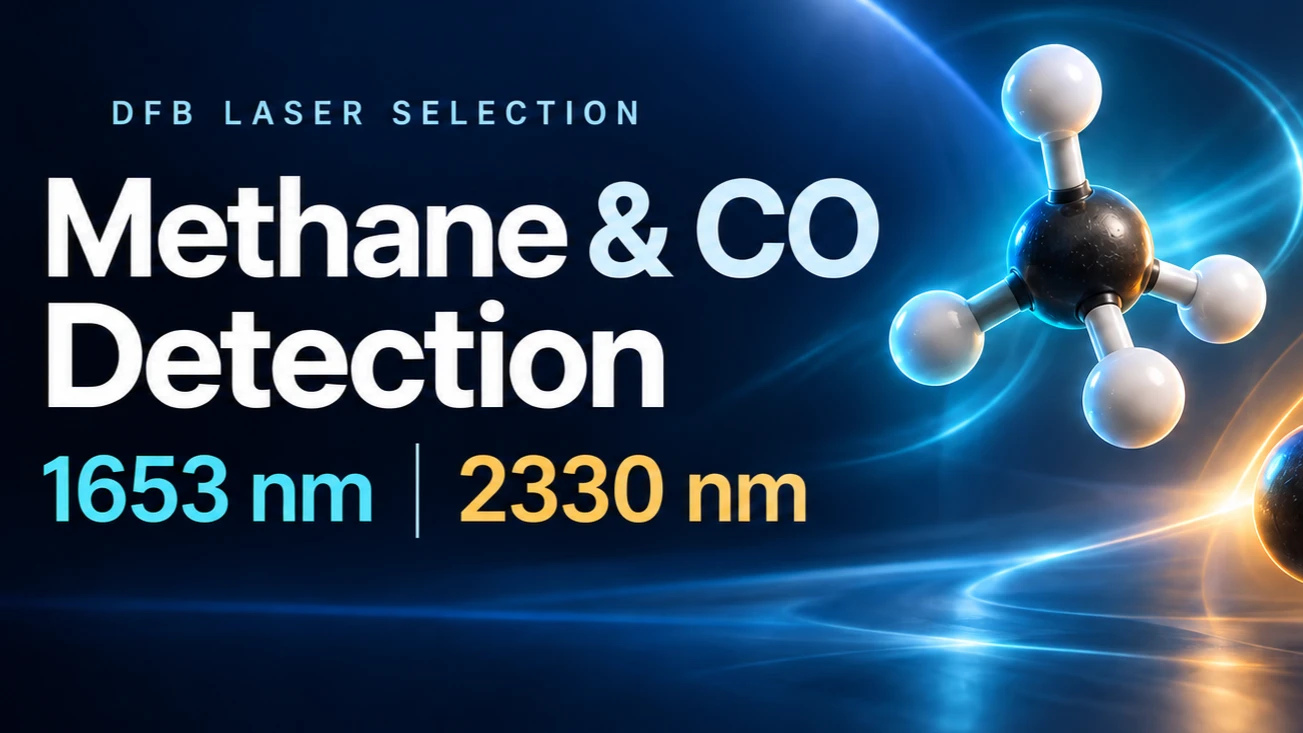
1653 nm or 2330 nm: Which DFB Laser for Methane and CO?
Technology Explained

1653 nm or 2330 nm: Which DFB Laser for Methane and CO?

Where methane's three absorption windows lie | whether 2.3 μm can be used for methane | how much tuning headroom separates the two devices | why 2.33 μm forces a different material system | how sources are configured for simultaneous methane and CO measurement.

BROWSE BY CATEGORY

Latest from GK Semiconductor.

Explore company developments, technology insights and events from GK Semiconductor.

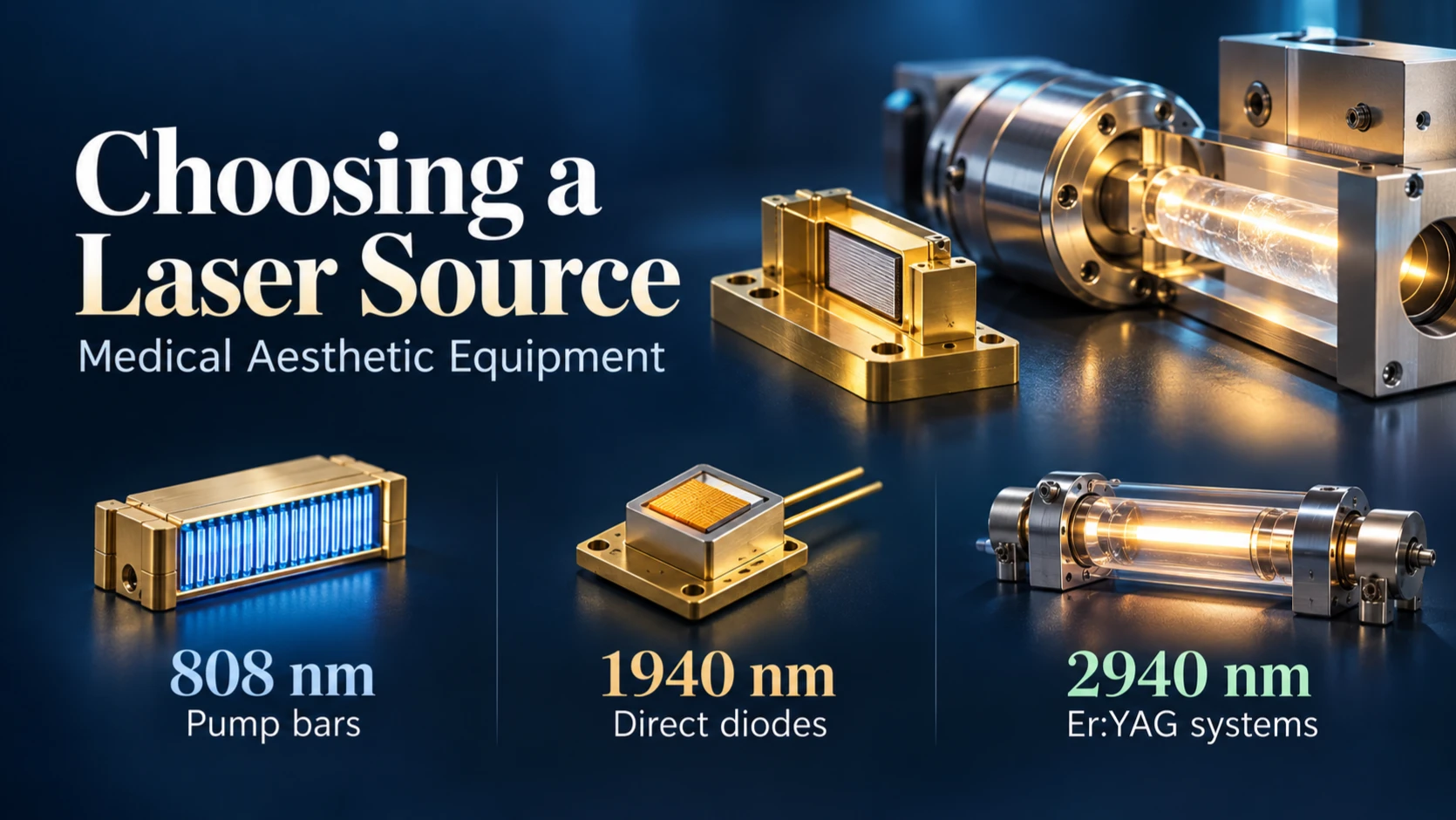
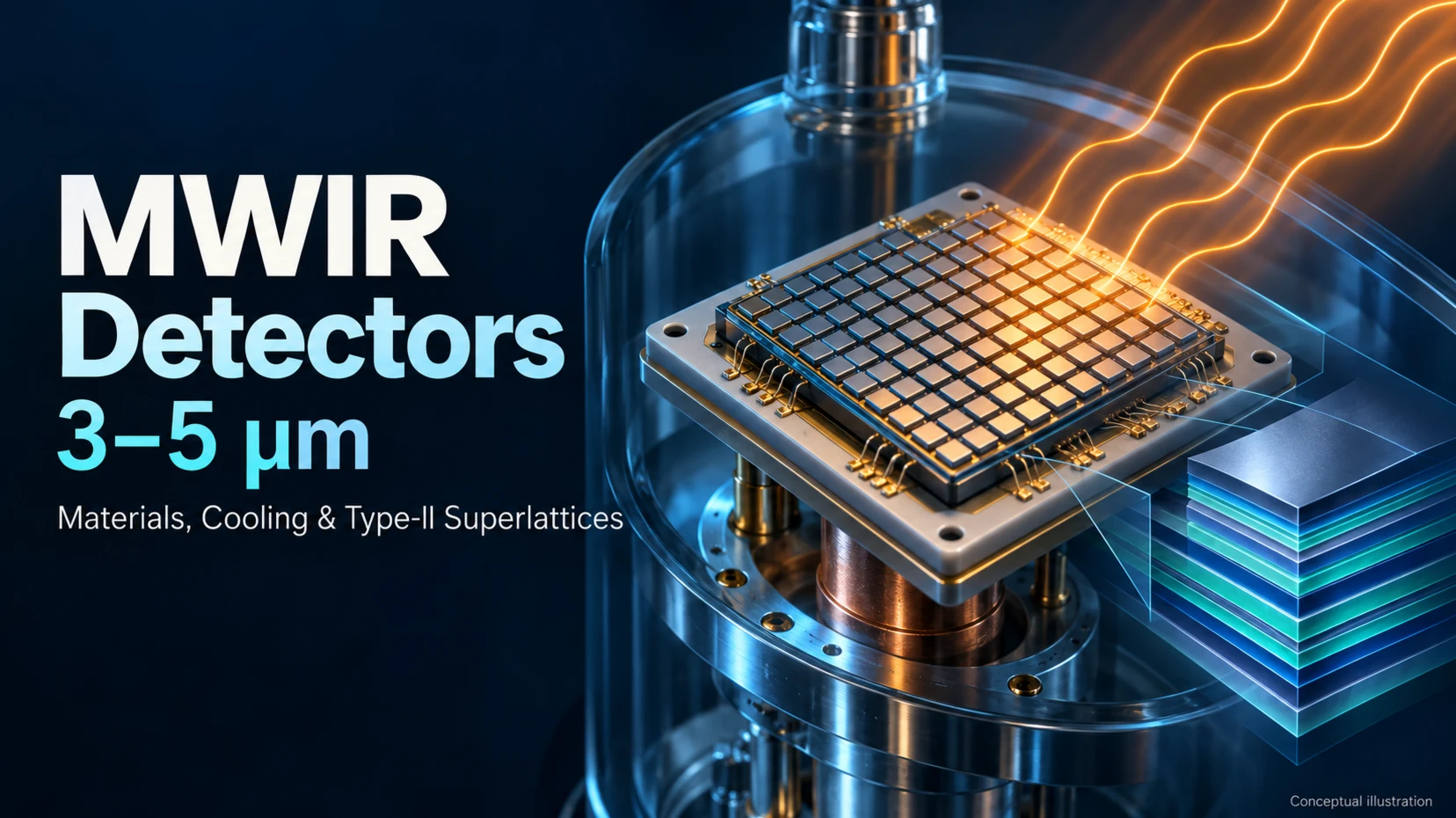
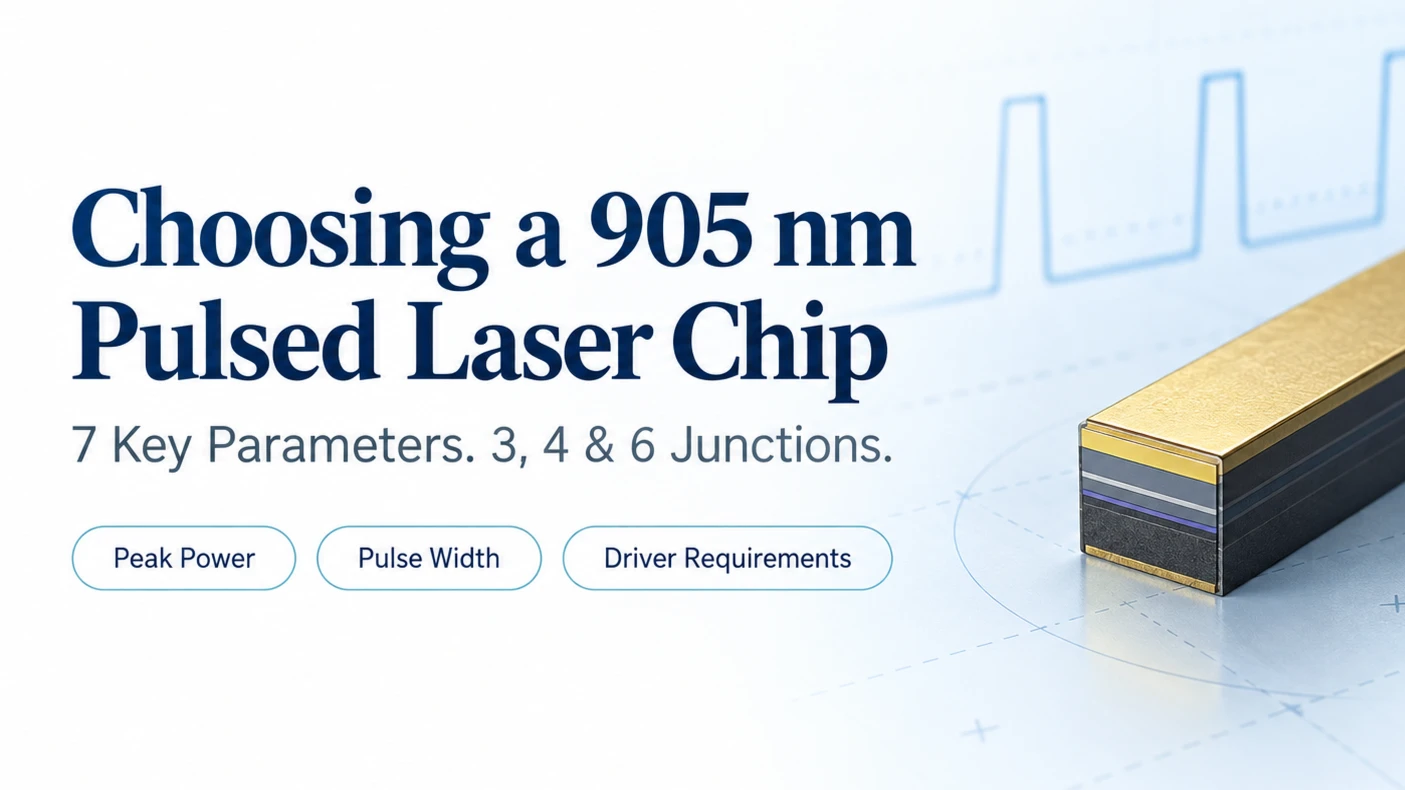
O-Band CWDM4 DFB Laser Chips: Can They Run Without a TEC? GK Semiconductor's 70/100 mW O-band CWDM4 CW DFB chip (GKCP-1XXX-100M-CW-00, 1271–1331 nm) targets 800G/1.6T optics and external silicon photonics sources. With a ±6.5 nm 25 °C bin, uncooled operation fails over −5 to +85 °C, but works over 25 to 75 °C if binned within 8.5 nm. Section 6 gives the derivation, and the three budgets below outline the math and decision criteria. Read article 2940 nm Er:YAG for OEM Systems: Pulse Energy, Delivery, Thermal Budget, and Safety The 2940-200mJ is a modular, lamp-pumped Er:YAG source delivering 200 mJ pulses at up to 10 W average power with an external chiller and delivery optics. System integration is governed by key physical constraints, including a ~1 µm tissue penetration depth, a 50 Hz repetition rate ceiling at full energy, and the requirement for non-silica beam delivery. Furthermore, its high-power emission mandates early mechanical integration of Class 4 safety housing and interlocks. Read article 1653 nm or 2330 nm: Which DFB Laser for Methane and CO? Where methane's three absorption windows lie | whether 2.3 μm can be used for methane | how much tuning headroom separates the two devices | why 2.33 μm forces a different material system | how sources are configured for simultaneous methane and CO measurement. Read article How to Spec a Light Source for Medical Aesthetic Lasers: 808 nm Pump Bars, 1940 nm Diodes and 2940 nm Er:YAG Direct diode versus solid-state for medical devices · why 808 nm became the default pump wavelength · what 200 mJ of pulse energy means for an Er:YAG system · how CW, QCW and pulsed differ in practice · six things to settle before requesting a quote. Read article MWIR 3–5 μm Detectors: Materials, Cooling, and Type-II Superlattices Which detector materials work in the 3–5 μm band | why high-performance MWIR detectors have to be cooled | how type-II superlattices differ from MCT | where the manufacturing difficulty sits, and which step gates yield. Read article How to Choose a 905 nm Pulsed Laser Chip: Seven Key Parameters and the Multi-Junction Power Ladder Choosing a 905 nm emitter chip comes down to matching seven core parameters to your system's optics and electronics, then selecting a triple-, quad-, or six-junction power tier that balances target range against driver complexity. Read article